A packing cube advertises one number and holds another, and the gap between them is where every ruined suitcase begins. The stated dimension is the outside of the cube — measured, I would guess, from the far edge of one seam to the far edge of the other, which is generous — while the interior, once the fabric doubles back on itself and the zipper takes its channel, is a centimeter or so smaller on every face, and it is that smaller, quieter number that actually goes into your bag. The measurements on file for these three sets, taken from the outside and from the inside, do not agree; both are true. Where the two disagree I have trusted the inside, because the inside is the one you pack.
Compression complicates this honestly. A compression cube does not conjure new room; it takes the depth a cube had and lays it flat, so three inches of folded shirts become one inch of very firm shirts, and the missing two inches have not disappeared — they have gone sideways, into the rest of the suitcase, which is exactly what you wanted them to do. This is the whole trick, and it is a real one, and anyone who tells you compression makes clothes smaller is standing too far away to see the seams.
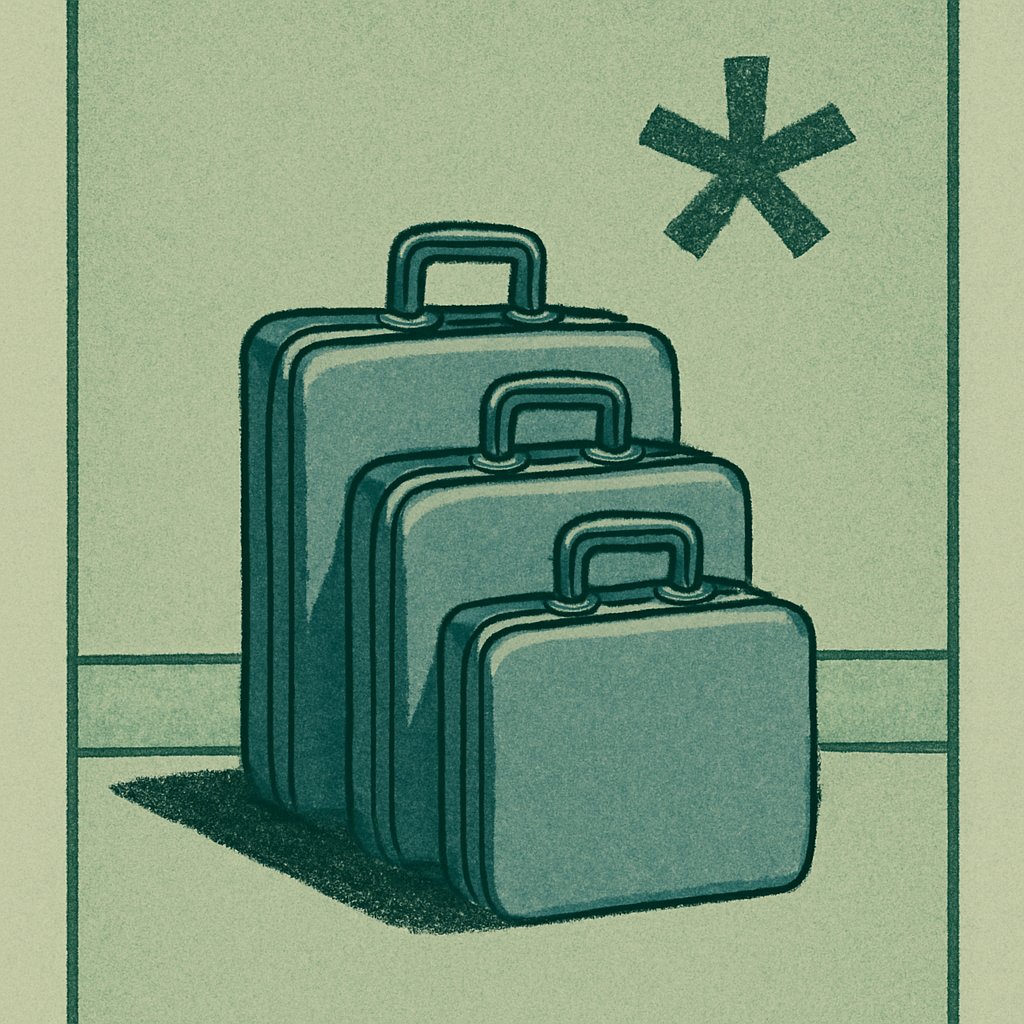
The Eagle Creek Pack-It Reveal set is my overall pick because it is honest about its interior and shows it to you: a mesh top you read from directly above, three sizes that nest into a carry-on, recycled fabric that holds its shape when full. The Isolate compression set is for the traveler fighting depth — its second zipper flattens a packed cube to roughly a third, and it weighs almost nothing, so the space you save is space and not fabric. The Bagail six-piece set is the value play, giving you six compartments and a shoe bag for less than two premium cubes, with the standing caveat that six cubes is six invitations to overpack.
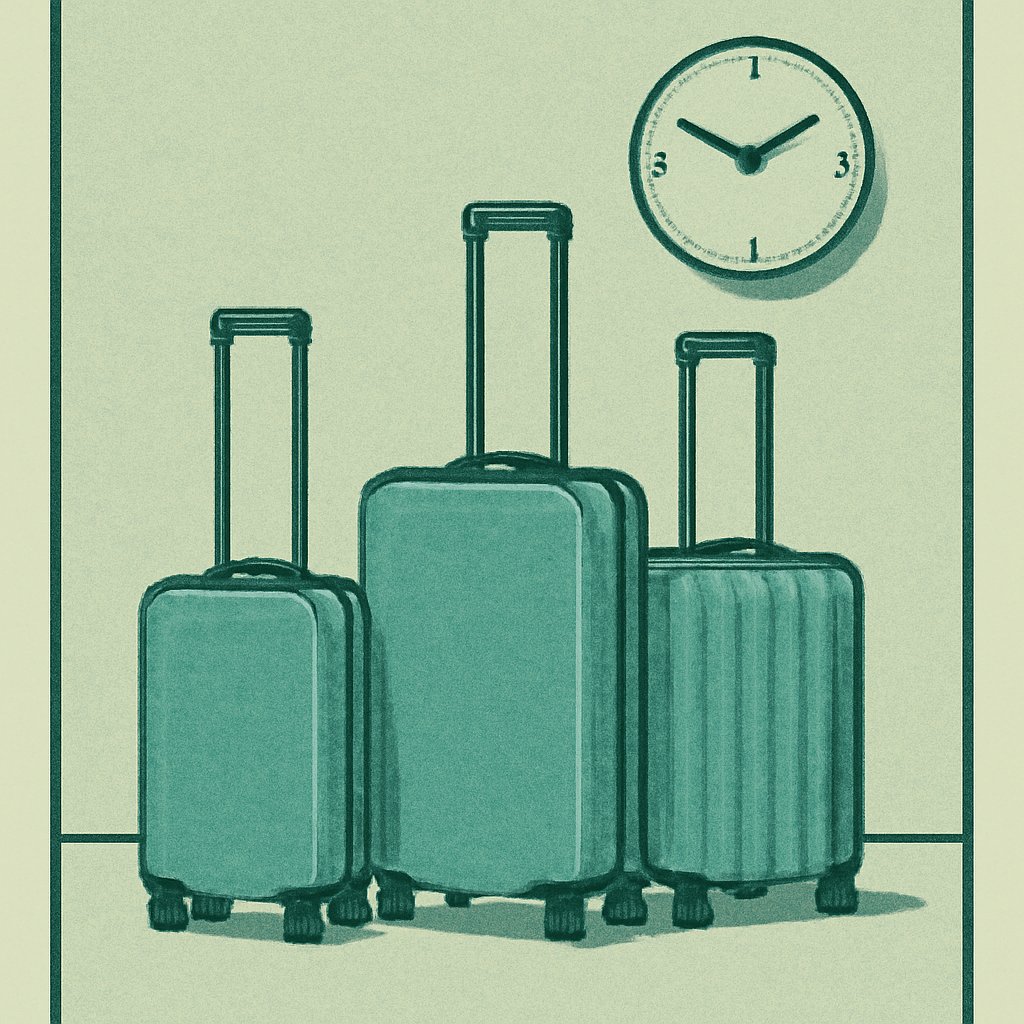
A cube is only the inner geometry of a larger one. These answer to the carry-on luggage these must fit inside, whose own interior disagrees with its stated volume in exactly this way, and at home they resolve into the storage bins that hold a room’s overflow when the trip is done.
So: the Reveal, if you want to see what you packed without unpacking it. The Isolate, if your enemy is depth and you pack from above onto a flat surface. The Bagail, if you want the most compartments per dollar and can be trusted with them. But before any of that, stand over your open suitcase and look straight down, because a cube tells the truth from directly above and begins to lie the moment you view it from the side — and the suitcase, like everything I review, only makes sense from one particular place to stand. Find that place. Pack from there. I will be adjusting.
At a glance
| N° | Pick | Category | Price | Sold at |
|---|---|---|---|---|
| 01 | Eagle Creek Pack-It Reveal Cube Set (XS/S/M) | Best Overall | $36 | Amazon |
| 02 | Eagle Creek Pack-It Isolate Compression Cube Set (S/M) | Best Compression | $38 | Amazon |
| 03 | Bagail 6 Set Compression Packing Cubes | Best Budget Set | $24 | Amazon |
Questions, anticipated
Do packing cubes actually save space?
Plain cubes organize rather than shrink, and cost a little volume to their seams and zippers. Compression cubes save depth, not matter — three inches of folded shirts become one inch of firm ones, and the missing two go sideways into the rest of the bag. That sideways room is the whole point.
What is the difference between a cube's stated size and what it holds?
The stated dimension is the outer edge; the usable interior, once the fabric doubles back and the zipper takes its channel, runs about a centimeter smaller on every face. The measurements on file for these sets, taken from the outside and from the inside, do not agree, and both are true. Pack for the inside number.
Are compression packing cubes worth it?
For the traveler whose enemy is depth, yes. The Eagle Creek Isolate flattens a full cube to roughly a third of its thickness and weighs almost nothing, so what is saved is space and not fabric. The trade is shape — a compressed cube packs less squarely than a rigid one.
How many packing cubes do I need for a carry-on?
Three graduated sizes cover most carry-ons without waste, which is why the Reveal set stops at three. A six-piece set like the Bagail gives more compartments per dollar, but six cubes are six invitations to overpack neatly, which is still overpacking. Fill each from above, on a flat surface, before nesting them.